
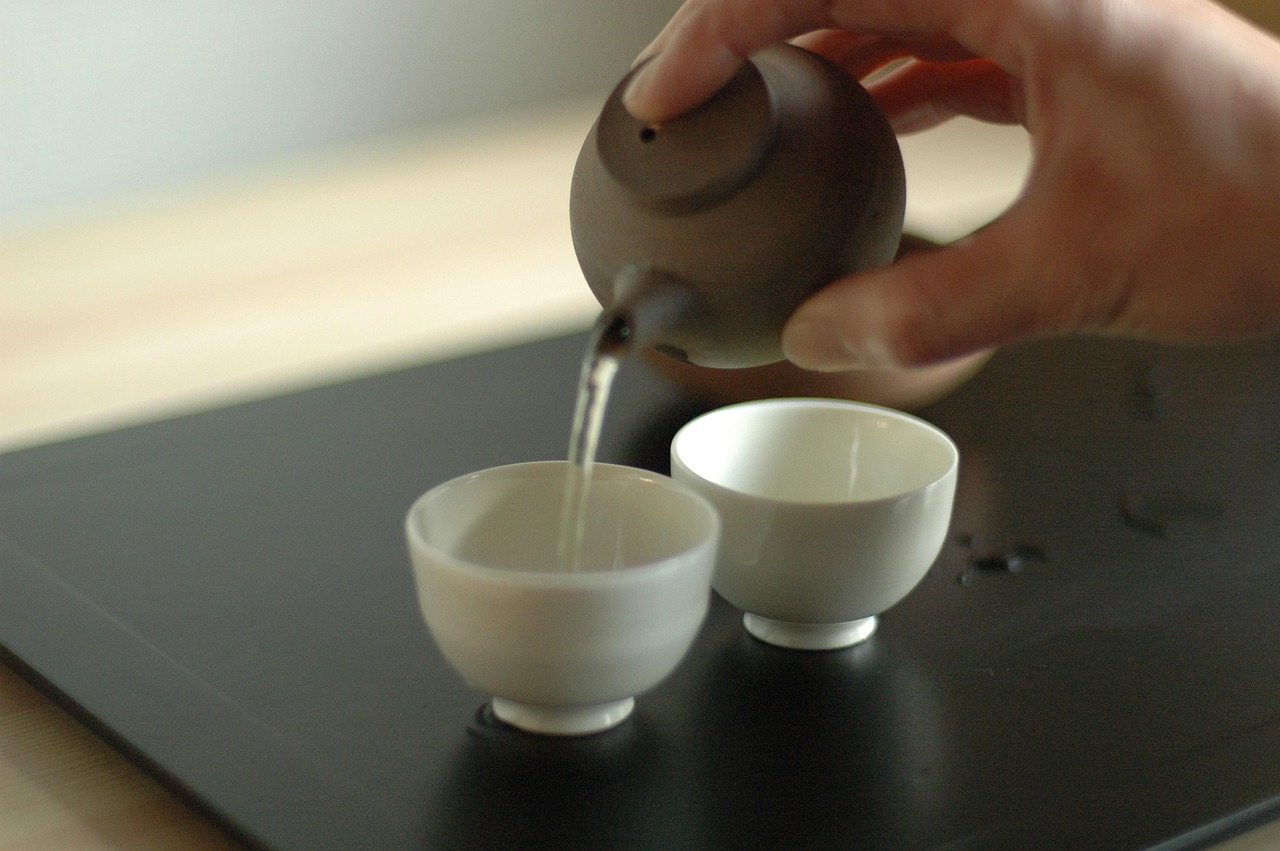
Gyokuro tea is one of the most distinctive types of Japanese green tea, known for its deep green color and smooth taste. Unlike many other green teas, Gyokuro is grown under shade for several weeks before harvest. This special method reduces direct sunlight and changes how the tea leaves develop.
Originating in Japan, Gyokuro tea has a long history connected to traditional tea cultivation. The shading process helps create a rich flavor with less bitterness and a more rounded character. Because of this careful production method, Gyokuro tea is often considered a premium loose leaf tea.
Today, Gyokuro tea is enjoyed by people who appreciate subtle flavors and calm tea experiences. It continues to be an important part of modern tea culture while preserving traditional growing and preparation methods.
Origin and Background
Gyokuro tea was developed in Japan during the nineteenth century. The name “Gyokuro” means “jade dew,” referring to the bright green color of the brewed tea. It is mainly produced in regions such as Uji, Yame, and Shizuoka, where climate and soil conditions support high-quality tea growth.
These regions are known for careful harvesting and processing methods that protect the delicate nature of the tea leaves.
Shading Method and Cultivation
One of the defining features of Gyokuro tea is the shading process. Tea plants are covered several weeks before harvest, limiting exposure to sunlight.
This process:
- Slows leaf growth
- Increases chlorophyll
- Reduces bitterness
- Enhances sweetness and depth
The shading method is what gives Gyokuro its unique character compared to other green teas.
Leaf Appearance and Quality
Gyokuro tea leaves are thin, dark green, and needle-shaped. Only young leaves are selected, which helps maintain softness and flavor.
When brewed, the leaves slowly open, producing a clear green infusion. The visual clarity of the tea is often associated with high-quality loose leaf tea.
Flavor and Aroma
Gyokuro tea has a smooth, rich flavor with very little bitterness. The taste is often described as deep and rounded, with a soft sweetness that stays on the palate.
The aroma is fresh and natural, sometimes described as vegetal or grassy. These qualities come from the careful growing process and minimal processing.
Preparation and Brewing
Gyokuro tea is usually prepared using lower water temperatures than other green teas. This gentle approach helps protect the delicate flavors.
General preparation steps include:
- Using warm, not boiling, water
- Short steeping time
- Smaller serving sizes
These steps help maintain balance and clarity in the final cup.
Gyokuro Tea in Modern Tea Culture
Today, Gyokuro tea remains an important part of Japanese tea culture and is increasingly appreciated worldwide. It is often enjoyed slowly, allowing attention to flavor, aroma, and appearance.
Gyokuro tea represents a connection between traditional techniques and modern appreciation for refined tea experiences.
Gyokuro tea stands as a refined example of Japanese green tea tradition. Its unique shading method, careful harvesting, and gentle preparation distinguish it from other green teas. The result is a tea with deep color, smooth texture, and layered flavor.
As interest in loose leaf tea continues to grow, Gyokuro tea remains relevant for those who value balance and clarity in tea. Its characteristics reflect centuries of tea knowledge shaped by careful cultivation and thoughtful preparation.
Gyokuro tea continues to represent the relationship between nature, technique, and tradition, making it an important part of global tea culture.
View more teas in the links: Vanilla Chai Latte ; Mao Feng.
View more drinks through the links: Iced Coffee Tea, Milkshake Smoothie, Soft drink Mocktails.